
How High-End Homes Achieve a Cohesive, Elevated Look
3 min read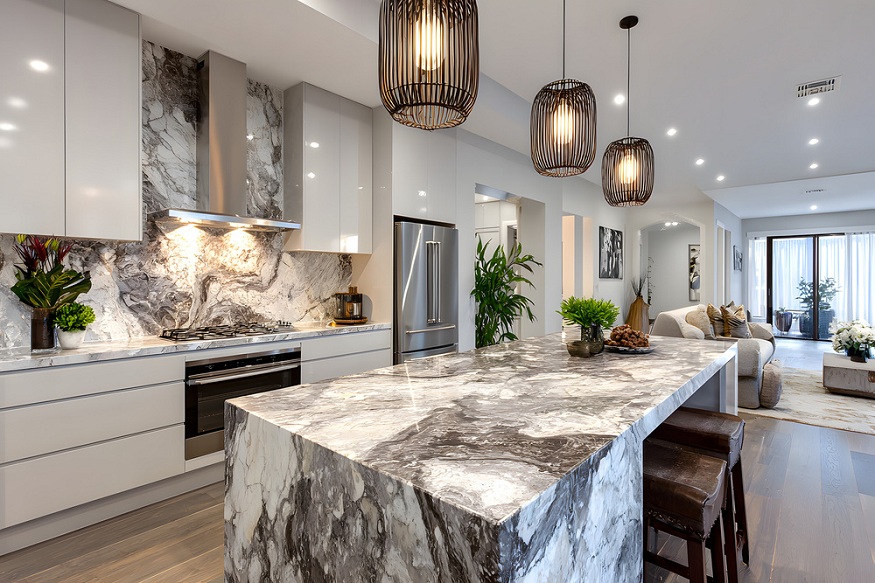
Luxury homes have a distinct feel. Every room connects somehow. Nothing looks random or accidental. The whole place feels pulled together by invisible threads. Rich people don’t get this look just by throwing money around. They follow specific rules that work with any budget.
The Power of Repetition
Expensive homes echo details from room to room. The living room’s oak floors show up again in the den. Kitchen cabinet hardware matches bathroom drawer pulls. That brass finish on the chandelier? Same brass on the stair railing and mirror frames.
Colors tie everything together more than anything else. Pick three colors, maybe four. Use them everywhere. That means the gray in your bedroom curtains shows up in kitchen bar stools. The blue from the throw pillows reappears again in the bathroom art. Sounds boring, but it looks expensive. Jumping between twenty different colors makes homes look like yard sales.
Quality Over Quantity
Rich homes stay half empty on purpose. They’d rather have one killer couch than five cheap ones. A single huge painting beats a wall covered in small prints. Empty space doesn’t mean poor; it means selective.
Materials tell the truth about quality. Real wood scratches but looks better for it. Solid stone chips but develops character. Genuine leather wears in, not out. Fake versions of these materials look worse every single year. Marble countertops might cost more than laminate but laminate never improves with age, while marble develops a patina that money cannot buy. This is according to the experts at Bedrock Quartz.
Seamless Transitions
Luxury homes flow like water between rooms. No harsh stops where tile smashes into carpet. No paint color earthquakes between the hall and bedroom. Changes happen, but they sneak up on you. Floors run through multiple rooms before changing. When they do change, it makes sense; hard floors in kitchens flowing to carpet in bedrooms, not random switches everywhere. Paint colors relate like family members. If the living room is sage green, the dining room might be a lighter sage, not suddenly screaming orange. Architecture stays consistent throughout. Nine-foot ceilings don’t randomly drop to eight feet. Door frames match each other. Baseboards don’t change style every room.
Lighting as Luxury
Wealthy homes worship light. Not just any light, but layers of it. Ceiling fixtures for general brightness. Lamps for warmth. Spotlights making art pop. Under-cabinet strips so counters glow. Each light has a job. Windows get treated like royalty. Shades that filter without blocking. Curtains framing views, not hiding them. Mirrors grabbing sunlight and throwing it around. Paint colors chosen to amplify light, not eat it. Basement-dark rooms never feel expensive regardless of what’s inside them. Fixtures themselves become sculpture. The chandelier is a statement piece. Even simple fixtures are carefully chosen to match the design.
The Finishing Touch
Small things separate luxury from regular. Outlet covers painted to match walls. Air vents that disappear into ceilings instead of standing out like ugly squares. Closets painted properly, not left as builder-white caves. Hardware matches throughout; not just similar but actually matching. Doorknobs, cabinet pulls, faucets, towel bars. Pick a finish and commit. Mixed metals only work when done perfectly, which usually means professionally.
Conclusion
This elevated look doesn’t require lottery winnings. Pick your colors and use them everywhere. Repeat materials and finishes religiously. Buy less stuff but better stuff. Make rooms flow into each other. Light spaces properly with multiple sources. Handle the tiny details everyone else ignores. Discipline beats dollars every time. Stick to the plan when shopping. Resist random purchases that don’t fit. Any home can achieve that expensive, cohesive feeling when choices connect instead of clash.