Durable Patio Flooring Options for Outdoor Living Spaces
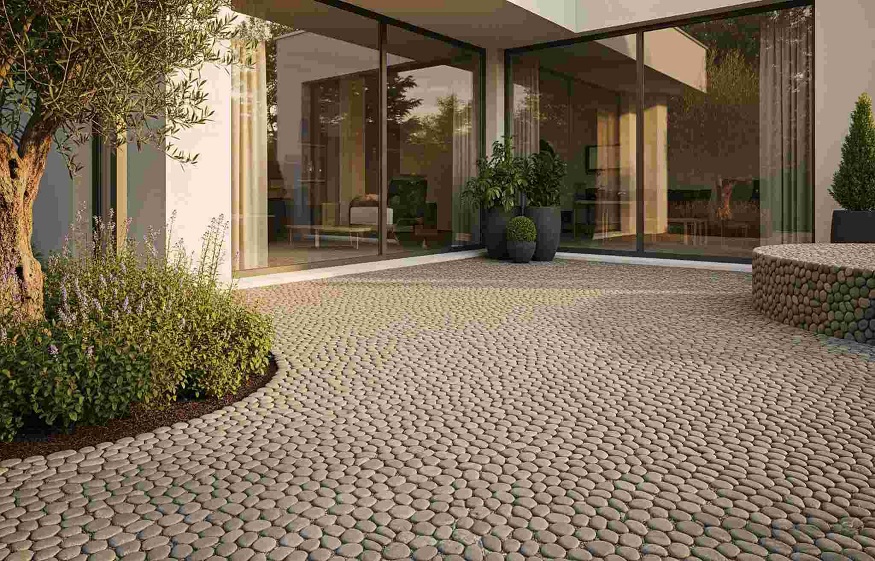
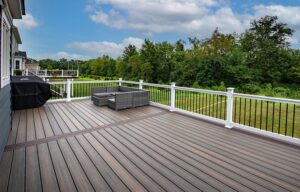
The grand patio begins to run out below your feet. Its right floor can withstand rain, sun, muddy shoes, grill nights, and busy weekends. It also pre-stages the mood before you bring in furniture, lights, or plants.
To achieve an up-to-date appearance, a number of households opt to use natural stone outdoor tiles. This is because they perceive them as durable, elegant, and environmentally friendly. The following are more patio flooring materials that can be used to update an outdoor living space:
1. Porcelain
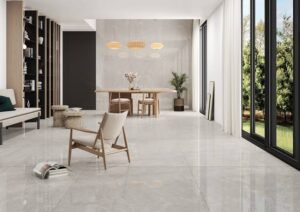
Porcelain pavers are a great alternative when you prefer beauty without intensive maintenance. They are similar to wood, concrete, slate, or marble. But they are easier to handle. There are numerous outdoor porcelain products that resist stains.
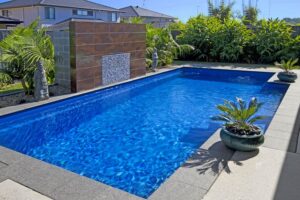
Read More: The Benefits of Fibreglass Pools for Sydney’s Coastal Climate
The material is appropriate for families that spend most of their time on the patio. You can mop it and get on with your day. Go for porcelain with textures to enhance safety around the pool and outdoor kitchen.
2. Brick and Clay
Brick adds a homely, inhabited ambiance to an exterior area. It is wonderful around gardens, fire pits, and older houses with vintage features. Brick may, with time, acquire a natural, aged appearance that is not battered but rather aged.
Another factor that makes clay pavers perform well in the weather is that they are laid on a good foundation. The tones of tan colors on patios make them feel inviting. Pick a basket-weave design if you’d like something more personalized.
3. Concrete
Concrete should not appear to be dull and unfriendly. You may stamp it, or stain it as you wish, and brush it, or cut it into large modern squares. These ideas transform the floor into a planned rather than a basic one.
Read More: How High-End Homes Achieve a Cohesive, Elevated Look
To make the style modern, clay-toned concrete can be used. To create a bolder patio, use large slabs with gravel between them. Cover the surface to prevent food spills.
4. Gravel, Pebble, and Mixed-Material Floors
Gravel may be a cost-effective patio floor that is casual and unpretentious. It digs deep, is easy to use, and plots around planters, benches, and fire bowls. Install stabilizing grids if you want a sturdier surface for chairs and tables to rest on.
Small patios, walks, or sitting areas are given a handmade feel by pebble mosaics. They appear more familiar as an accent rather than having extensive coverage. Differentiating various outdoor rooms may also be determined by mixing pebbles with stone.
To sum up, a long-lasting patio floor must be suited to your design style. Something is not considered the best flooring if it cracks, stains, or becomes slickly greasy within one season. So, don’t just select a material that is attractive. Also, choose a material that can withstand the portrayal of how you enjoy your space.
Patio floors that feel comfortable to reside on are the best. Stone, porcelain, brick, concrete, gravel, and pebbles can all perform well when worked out with consideration. Starting where the earth meets, your patio will be presentable for many years.