Boundaries That Balance Beauty and Practicality
Every garden needs boundaries, yet the best ones do more than divide. They frame views, create privacy, and give shape to the space. The most successful designs balance appearance with purpose, allowing beauty and practicality to work together. A well considered boundary can make a garden feel larger, calmer, and more connected to its surroundings. It is not just a line at the edge of a property but an element that defines how the space is experienced from within.
The Role of Boundaries in Garden Design
Boundaries are often the first thing people notice when they enter a garden. They establish structure and guide the eye, helping to create a sense of order and enclosure. When thoughtfully designed, they do not feel restrictive but rather protective and welcoming. The right boundary can transform a plain garden into one that feels complete, giving it identity and purpose while still allowing light, air, and movement.
Blending Function with Form
A boundary must always perform well, but it should also please the eye. Choosing materials that suit the home and the garden style helps create visual harmony. Timber, stone, brick, or metal each bring different qualities. Smooth finishes can complement contemporary homes, while textured or natural surfaces blend beautifully with planting. Practicality matters too. A boundary should be durable, stable, and easy to maintain, ensuring it continues to look good through the seasons.
Creating Privacy Without Isolation
Privacy is one of the most important reasons for having a boundary, yet it should never feel like a wall that shuts the world out. The key is balance. Boundaries can screen without blocking light or air. Layering planting against fencing or incorporating open designs with horizontal slats allows glimpses beyond, maintaining connection with the wider landscape. This combination of seclusion and openness brings comfort without confinement.
Read More: Durable Patio Flooring Options for Outdoor Living Spaces
Using Materials to Shape Character
Materials set the mood of the garden. Natural tones create warmth and softness, while sleek finishes convey a more architectural look. Thoughtful choices help the boundary reflect the atmosphere you want to create. Composite fencing offers a refined balance between style and function. It combines the texture of timber with the advantage of durability and minimal upkeep. Its clean lines and consistent finish allow it to complement both traditional and modern designs, making it a practical foundation for any outdoor space.
Framing Views and Guiding Movement
Boundaries can also guide how people experience a garden. A carefully positioned screen can direct attention to a focal point, while a change in height or transparency can suggest movement from one area to another. Low fencing may frame planting beds, while taller sections offer privacy near seating or dining spaces. These subtle changes give the garden rhythm, leading the eye and encouraging exploration without disrupting flow.
The Importance of Proportion
Proportion determines how a boundary feels. Too high, and it can dominate; too low, and it may fail to provide a sense of enclosure. The right scale depends on the size of the garden, the height of neighbouring structures, and how much privacy is needed. A well proportioned boundary feels natural, supporting the layout rather than competing with it. Adjusting height or spacing in response to light and views ensures the design feels comfortable and in balance.
Read More: The Role of Plastic Toilet Seat Covers in Modern Sanitation
Colour and Texture in Outdoor Design
Colour is another way to bring unity and depth. Darker boundaries can make planting appear more vivid, while lighter ones reflect sunlight and brighten shaded corners. Subtle variations in texture add interest without clutter. Painted surfaces, stained timber, or natural materials can all be used to enhance tone and mood. By repeating or contrasting these colours elsewhere in the garden, you create a cohesive visual story that links every element together.
Encouraging a Connection with Nature
A good boundary should support the life of the garden as much as its design. Using climbing plants or trailing greenery helps soften vertical lines and attract wildlife. Flowers, vines, and shrubs can weave through open fencing, changing with the seasons and adding colour, scent, and movement. This living element turns the boundary from a static feature into something that grows and evolves. It invites nature back into the garden, adding both beauty and life.
Durability and Care
Longevity is essential for any boundary. Exposure to weather means materials must be chosen for resilience as much as appearance. Simple maintenance routines, such as keeping planting trimmed and surfaces clean, help preserve the look and function of the structure. Quality materials that resist fading, warping, or rot reduce the need for repair, ensuring the garden continues to feel cared for over time. Practical choices made early in design lead to spaces that remain attractive for years.
Designing with Light and Shadow
As the sun moves, boundaries come alive with shifting patterns. The play of light and shadow adds another layer of texture and depth. Open slats create gentle stripes of light across paths or decking, while solid panels can highlight the silhouettes of nearby plants. Understanding how sunlight changes through the day allows you to use the boundary as part of the garden’s atmosphere. Light turns function into poetry, giving even practical structures a sense of artistry.
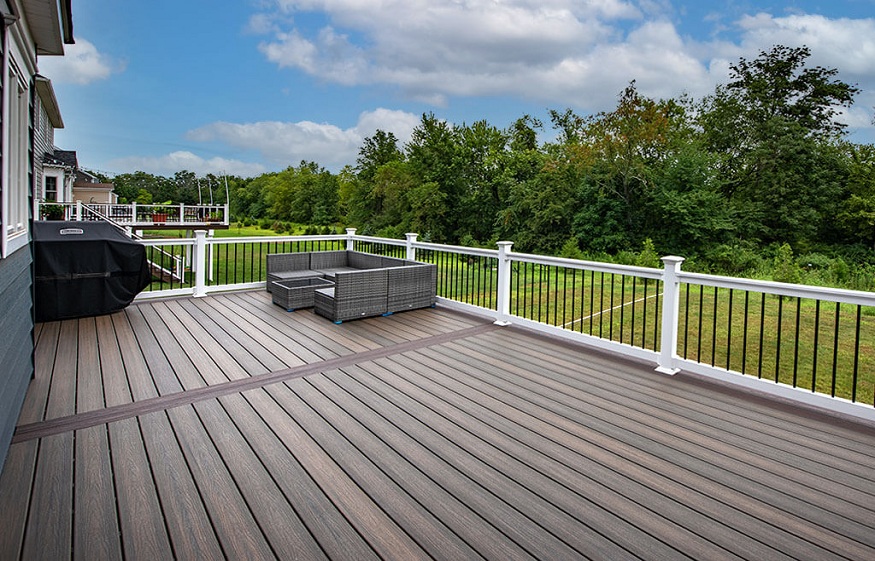
For wider commercial, hospitality, or public-facing projects, small supporting details can make the finished space feel more complete. Composite decking can provide a durable, low-maintenance surface for terraces, entrances, outdoor seating areas, and customer-facing spaces; while hand dryers can support cleaner, more efficient washroom facilities; while traditional signage can add character, direction, and brand presence; while digital signage can share changing information, promotions, menus, or wayfinding updates clearly.
Conclusion
Boundaries are much more than garden edges. They are the framework that holds the landscape together, giving it structure and meaning. When beauty and practicality are balanced, the result is a space that feels both private and open, orderly and natural. Through careful choice of materials, proportion, and tone, you can create boundaries that protect, define, and inspire. When designed with intention, they become quiet companions to everyday life outdoors, blending strength, style, and a lasting sense of harmony.