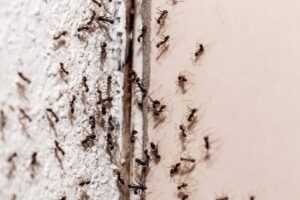
Why Pest Problems That Disappear in Winter Always Return Worse in Spring
5 min read
Every year, many homeowners notice the same pattern. As winter sets in, pest activity appears to decline. Ants disappear from the kitchen, spiders become less visible, and even noises in the roof seem to stop. It often feels like the problem has resolved on its own.
However, when spring arrives, pest activity returns, often more aggressively than before. This cycle is not accidental. It is driven by seasonal pest behaviour, hidden nesting habits, and rapid reproduction once conditions improve. Understanding this pattern is essential if you want to prevent recurring infestations and avoid searching for pest control Melbourne when the problem has already escalated.
Why Pests Seem to Disappear in Winter
The belief that pests disappear in winter is a common misconception. In reality, most pests do not leave; they simply become less visible. As temperatures drop, pests either slow down their activity or move into protected areas where conditions remain stable.
Read More : The Benefits of Fibreglass Pools for Sydney’s Coastal Climate
Homes provide warmth, shelter, and access to food, making them ideal environments during colder months. Instead of moving around in open spaces, pests retreat into hidden areas where they can survive without being noticed. This creates the illusion that the infestation has ended, when in fact it is continuing out of sight.
Where Pests Hide During Colder Months
During winter, pests tend to gather in areas that offer warmth and minimal disturbance. Roof voids and insulation are common hiding places, particularly for rodents and insects that can nest undisturbed. Wall cavities and structural gaps also provide protection, allowing pests to remain hidden within the building.
Subfloors, basements, and poorly ventilated spaces attract pests due to moisture and stable temperatures. Kitchens and storage areas also become key zones, as they offer both food and water sources. Even small cracks or openings around windows, vents, and rooflines can allow pests to enter and establish themselves indoors.
Because these areas are rarely inspected, pest activity can continue for months without detection.
What Changes When Spring Arrives
Spring brings a significant shift in pest behaviour. As temperatures rise, pests become more active. Warmer conditions trigger movement, feeding, and breeding cycles, leading to a rapid population increase.
At the same time, environmental conditions improve. As food becomes more available, moisture levels rise, and outdoor habitats become suitable again. These changes encourage pests to move out of their hiding places and spread throughout the property.
In many cases, the pests seen in spring are not new. They are the result of hidden populations that survived winter and are now expanding.
Why Infestations Feel Worse in Spring
Pest problems often feel worse in spring because they have been developing quietly during winter. While hidden indoors, pests are protected from harsh weather and can survive in stable conditions.
When spring arrives, these populations emerge simultaneously. Breeding cycles accelerate, allowing new generations to mature quickly. This creates a compounding effect, with pest numbers increasing rapidly and spreading throughout the home.
What may have started as a small, unnoticed infestation during winter can quickly become a widespread problem once warmer conditions return.
Common Pests Affected by Seasonal Changes
Several pests follow this seasonal pattern. Ants become highly active in spring as their colonies expand and search for food. Cockroaches remain hidden indoors during winter and begin spreading more aggressively once temperatures rise.
Rodents, including rats and mice, often nest in roof spaces during colder months and increase their movement when food becomes more accessible. Spiders also move indoors during winter and become more visible as insect activity increases in spring.
This seasonal behaviour is why many homes experience a sudden rise in pest activity at the start of warmer weather.
Why Waiting Until Spring Is Risky
By that stage, the infestation has often been present for several months. Winter allows pests to establish themselves in hidden areas, where they can grow without disturbance.
Delaying treatment gives pests time to multiply, spread through structural spaces, and develop long-term nesting sites. When spring arrives, the problem is no longer small or isolated, making it more difficult to manage.
Taking a proactive approach before pest activity increases is far more effective than reacting once the infestation becomes obvious.
The Role of Moisture and Home Maintenance
Moisture plays a critical role in sustaining pest activity throughout the year. Leaks, poor drainage, and high humidity create ideal conditions for insects and rodents to survive. Damp areas also attract insects that become a food source for other pests, including spiders.
Proper home maintenance is essential in reducing these risks. Fixing leaks, improving ventilation, and ensuring proper drainage can significantly limit the conditions that allow pests to thrive. Sealing structural gaps and maintaining the integrity of walls, roofs, and foundations further reduces entry points.
By addressing these environmental factors, homeowners can make their property less attractive to pests during both winter and spring.
How Professional Pest Control Prevents Seasonal Infestations
Effective pest management focuses on prevention rather than reaction. A professional approach involves identifying and treating potential problems before pest activity becomes visible.
This includes inspecting entry points, sealing gaps, and monitoring hidden areas such as roof voids, wall cavities, and subfloors. Targeted treatments are applied to disrupt breeding cycles and reduce pest populations before they expand.
By addressing the root causes and applying preventative measures, professional services can stop infestations from developing in the first place. This approach is far more effective than dealing with a fully established problem later.
Practical Steps to Prevent Spring Pest Problems
Homeowners can take several steps to reduce the risk of seasonal infestations. Sealing gaps around doors, windows, and foundations helps prevent pests from entering the home. Keeping kitchens and storage areas clean removes food sources that attract insects.
Decluttering garages, basements, and roof spaces reduces hiding spots, while fixing leaks and improving airflow limits moisture. Maintaining outdoor areas by clearing debris and trimming vegetation also helps reduce pest habitats near the home.
These preventative measures work together to minimise pest activity and reduce the likelihood of infestations returning.
Conclusion
Pest problems that seem to disappear in winter rarely go away. Instead, pests retreat into hidden areas where they remain protected and often continue to develop. When spring arrives, warmer conditions trigger increased activity and rapid reproduction, leading to a noticeable surge in pest populations.
Read More : How High-End Homes Achieve a Cohesive, Elevated Look
Understanding this seasonal cycle is essential for prevention. By addressing pest issues early, maintaining the home environment, and reducing attractants, homeowners can significantly lower the risk of recurring infestations.
Taking action before pests become visible is the most effective way to protect your home and maintain long-term control.
FAQs
- Do pests really disappear in winter?
No. Most pests either hide or reduce activity, often moving into indoor spaces where conditions are more stable. - Why do pest problems return worse in spring?
Pests survive winter in hidden areas and begin reproducing rapidly when temperatures rise. - Where do pests hide during colder months?
Common hiding spots include roof voids, wall cavities, basements, kitchens, and storage areas. - Which pests are most active in spring?
Ants, cockroaches, rodents, and spiders are among the most active pests during warmer months. - How can I prevent seasonal pest problems?
Seal entry points, maintain cleanliness, reduce moisture, and address structural issues before spring. - When should I schedule pest control?
Late winter is the ideal time, as it helps prevent infestations from becoming active and spreading in spring.