RO Purifier Features Worth Paying Extra For
4 min read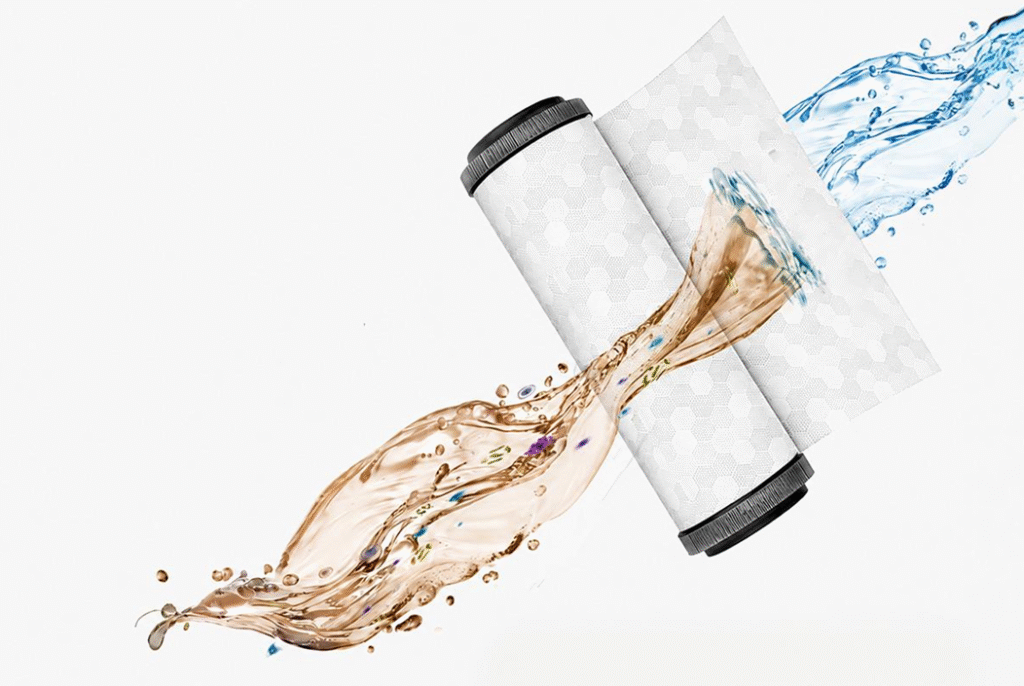
When comparing the best RO water purifier, the difference in price is rarely just about the brand or outer design. It can come from the RO membrane, purification capacity, water recovery, pressure management, storage materials, and post-treatment technologies. Higher-priced models may also offer mineral enrichment, copper treatment, and connected diagnostics. The useful question is which of these actually affects performance in your home.
A purifier used every day should be judged on more than its purchase price. How quickly does it produce purified water? How much incoming water is recovered? What happens when supply pressure drops? These details tell you much more about the value of a purifier than a long specification list.
1. RO Membrane Engineering: What Are You Paying For?
- Membrane Quality and Filtration Rate
The RO membrane uses a semi-permeable barrier to reduce dissolved salts, certain heavy metals, and other dissolved impurities. Its construction, effective surface area and operating pressure affect how efficiently water passes through it.
A larger membrane surface can support higher filtration rates, while better membrane design can improve the balance between purified and reject water. For households using purified water throughout the day, this can also affect how quickly the storage tank is replenished.
Read More: How Cooling Bedsheets Help Manage Night Sweats and Improve Bedroom Comfort
A better-designed membrane can therefore be worth paying extra for when it offers a more efficient balance between filtration performance, water output and recovery.
2. Purification Capacity: Does It Match Your Household?
- Flow Rate, Daily Capacity and Tank Size
Storage capacity tells you how much purified water is available at one time. It does not tell you how quickly the purifier can replace it.
That is why flow rate, daily purification capacity and tank volume should be considered together. Larger households may benefit from higher output and greater storage, especially when purified water is also used for cooking. A smaller household may not need the additional capacity.
Paying extra for higher capacity makes sense when your household regularly uses more purified water and a standard-capacity purifier struggles to keep up with demand.
3. Water Recovery: How Much Water Becomes Usable?
- Recovery Rate and Reject-Water Management
RO produces purified water as well as a reject stream. The recovery rate indicates how much of the incoming water becomes usable purified water.
Membrane efficiency, pump pressure and internal flow design all influence this ratio. A higher recovery rate means less water is sent to the reject stream, which becomes significant when the purifier runs several times a day. Some systems also allow reject water to be redirected for suitable household uses.
For households that run their purifier frequently, a system with better water recovery can be worth paying more for because it reduces the amount of water being sent to the reject stream over time.
4. Pressure Management: Does Your Supply Support RO?
- Booster Pumps and Variable Pressure
RO membranes need sufficient pressure to push water through the semi-permeable membrane. Weak or fluctuating supply can slow the purification process.
A booster pump helps maintain the pressure required for RO operation when incoming pressure is low. This can be particularly useful in homes supplied through overhead tanks or areas where water pressure changes during the day.
If low or fluctuating water pressure is a regular issue in your home, paying extra for effective pressure management can make a noticeable difference to everyday purifier performance.
5. Post-RO Treatment: What Happens After Purification?
- Mineral, Copper, and pH-Balancing Technologies
RO can reduce minerals along with unwanted dissolved substances. Some systems therefore add treatment after the RO stage.
Mineral cartridges can add selected minerals back into treated water, while copper-based technology introduces copper during the final stage. Alkaline or pH-balancing media are another form of post-treatment.
Read More: Stylish Tile Ideas for a Modern Bathroom
They may be worth paying extra for if mineral enrichment, copper treatment, or pH balancing is something you would want from your purifier, rather than simply choosing a model with a greater number of filtration stages.
6. Storage Engineering: Where Does Purified Water Stay?
- Tank Material and Capacity
Purified water may remain stored for several hours before it is consumed, which makes tank construction worth considering.
Food-grade materials and 304-grade stainless steel are used in some advanced systems for durability and corrosion resistance. Tank capacity matters too, but the appropriate size depends on household consumption and how frequently the purifier runs.
Paying extra for better tank materials or additional storage capacity can be worthwhile when durability, hygiene or a higher volume of readily available purified water is what matters to your household.
Which Features Are Worth Paying For?
A higher RO water purifiers’ price makes sense when it reflects better engineering rather than a longer feature list. Looking at how efficiently the purifier processes water, how much it recovers and how well its components suit your home’s water supply gives you a much clearer basis for comparison. If you are investing in the best RO water purifier, focus on features that solve real problems rather than simply adding to the specification sheet, or prioritizing an affordable product. At the end of the day, paying more only makes sense if you’re getting something meaningful in return. That’s the difference between paying for marketing and investing in the best RO water purifier.