Common Mistakes During Hot Water Installation That Cause Long-Term Issues
4 min read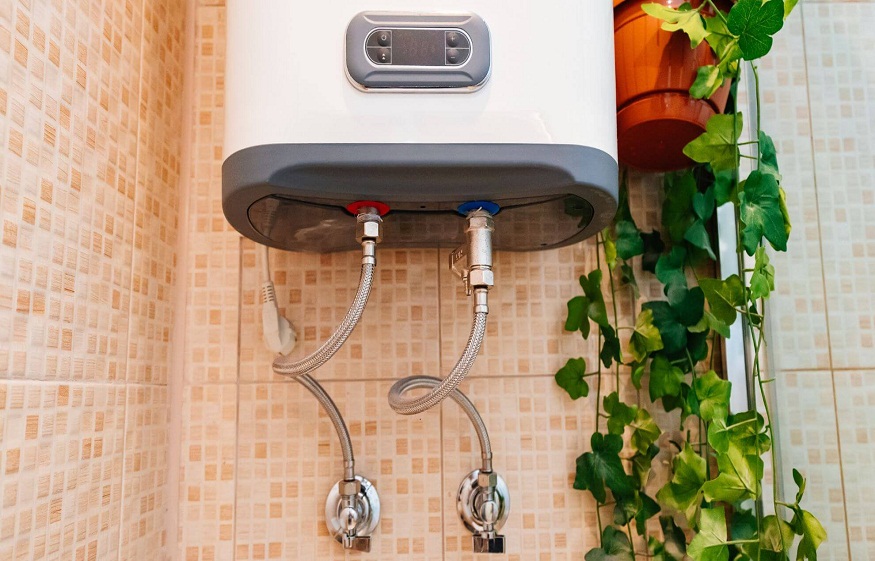
Hot water systems are designed to operate reliably for many years. However, many units fail prematurely not because of manufacturing faults, but due to preventable installation mistakes. When shortcuts are taken or technical requirements are overlooked, the system may appear to function initially but develop serious problems over time.
Understanding the most common installation errors can help homeowners avoid reduced efficiency, safety risks and unexpected repair costs.
Why Installation Quality Matters
A hot water system operates under high pressure and temperature. It must integrate correctly with your home’s plumbing, electrical or gas infrastructure. Even minor miscalculations during setup can place ongoing strain on internal components.
Poor installation often leads to performance issues within the first few years. In some cases, incorrect setup can also void manufacturer warranties, leaving homeowners responsible for replacement costs.
Frequent Installation Errors
Several recurring mistakes contribute to long-term system problems.
Incorrect Pipe Sizing
Pipe diameter plays a critical role in water flow and pressure stability. If pipes are too small, water flow becomes restricted, causing pressure imbalances and slower heating cycles. Oversized pipes, on the other hand, may reduce efficiency and increase heat loss.
Incorrect pipe sizing can also affect the system’s ability to supply multiple outlets simultaneously. Showers may fluctuate in temperature, and taps may experience inconsistent pressure.
Proper hydraulic calculations are necessary to ensure the pipework supports the unit’s capacity and household demand.
Poor Pressure Regulation
Hot water systems require stable pressure to function safely. If incoming water pressure is too high, internal components such as valves and seals can wear out quickly. Excess pressure also increases the risk of leaks and tank stress.
Pressure limiting valves must be installed and adjusted according to Australian standards. Failure to regulate pressure correctly often leads to recurring discharge from the relief valve or premature tank failure.
Improper Valve Setup
Temperature and pressure relief valves are critical safety devices. Incorrect positioning or faulty installation can compromise system protection.
If relief valves are not installed at the correct angle or without proper discharge piping, they may not operate effectively during pressure buildup. In severe cases, this can create hazardous conditions inside the tank.
Similarly, incorrectly installed tempering valves can cause unstable water temperatures or increase scalding risk.
Lack of Compliance Checks
Australian plumbing regulations exist to ensure safety and reliability. Installation must comply with relevant codes, including appropriate clearances, ventilation requirements for gas units and secure electrical connections for electric systems.
Skipping compliance checks or failing to document installation details can create future complications. Non-compliant systems may be flagged during property inspections, requiring costly rectification work.
Long-Term Consequences of Installation Mistakes
While installation errors may not cause immediate breakdown, they often shorten the lifespan of the unit.
Reduced System Lifespan
Excessive pressure, poor ventilation or incorrect pipework places continuous strain on internal components. Heating elements, burners and valves may deteriorate faster than expected.
A system designed to last ten to fifteen years may fail significantly earlier if installed incorrectly.
Leaks and Water Damage
Improperly sealed fittings or poorly aligned pipe connections can develop slow leaks. These may go unnoticed behind walls or beneath flooring until visible damage appears.
Ongoing moisture can weaken structural materials and create secondary issues such as mould growth.
Inconsistent Performance
Temperature fluctuations, low pressure or slow recovery times often stem from installation flaws rather than equipment defects. Homeowners may mistakenly blame the brand or model when the real issue lies in setup quality.
Repeated service calls to address performance issues increase overall ownership costs.
Safety Hazards
Incorrect gas connections, faulty wiring or inadequate ventilation present serious safety risks. Gas leaks or electrical faults require immediate attention and can endanger occupants.
Proper installation is essential not only for performance but also for household safety.
Why Professional Installation Matters
Hot water systems are complex appliances that require precise setup. Engaging professionals for Hot Water Installation ensures that each component is installed according to manufacturer specifications and local regulations.
Choosing licensed hot water installation services provides several important benefits. Licensed professionals calculate correct pipe sizing, regulate pressure accurately and verify valve positioning. They also conduct compliance checks to confirm the system meets safety standards.
Professional installation protects the manufacturer’s warranty and reduces the likelihood of premature failure. It also ensures that documentation is properly completed for future reference.
Experienced installers assess household demand, water pressure levels and property layout before recommending system placement. This attention to detail prevents common errors that lead to long-term complications.
Protecting Your Investment
A hot water system represents a significant investment in your home. Cutting corners during installation often results in higher costs later through repairs, replacement or structural damage.
Investing in proper installation provides long-term efficiency and peace of mind. A correctly installed system operates smoothly, delivers stable water temperature and maintains safe pressure levels.
Homeowners who prioritise installation quality typically experience fewer breakdowns and lower maintenance expenses over the life of the unit.
Conclusion: Get It Right from the Start
Many hot water systems fail early because of avoidable installation mistakes. Incorrect pipe sizing, poor pressure regulation, improper valve setup and non-compliance with regulations all contribute to reduced efficiency and safety risks.
While the system may function initially, hidden flaws often surface over time. Investing in professional installation ensures correct setup, protects warranty coverage and extends system lifespan.
If you are planning to install or replace a hot water unit, prioritise a qualified installation from the outset. Taking the right steps now prevents repeated breakdowns, protects your home and saves money in the long run.