Plumbing Emergency? Here’s What to Do Before the Plumber Arrives
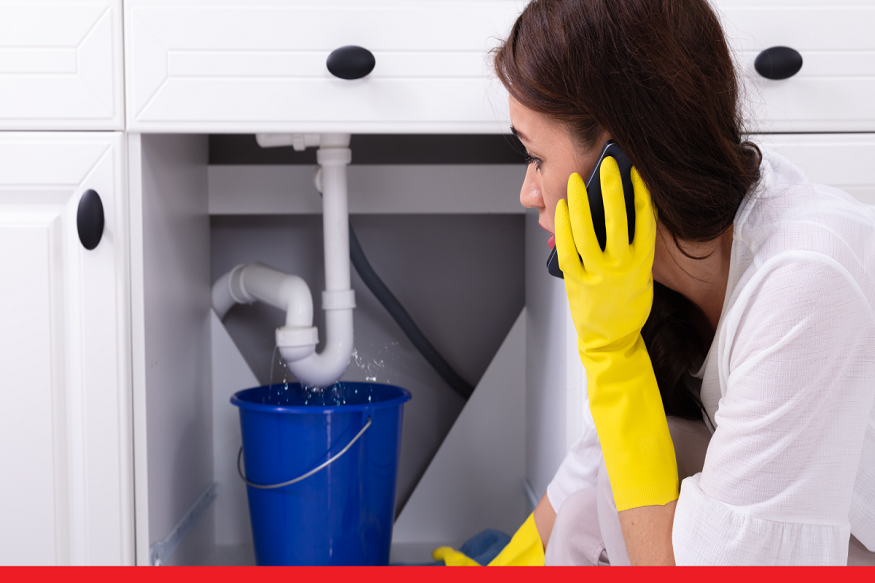
A plumbing emergency rarely gives you advance warning. One minute everything is fine; the next, water is gushing from a burst pipe or spilling over the rim of a toilet. The good news? The actions you take in the first few minutes can dramatically reduce water damage, safety risks, and repair costs. Stay calm, follow these steps, and you’ll be able to handle it until professional help arrives.
Step 1: Shut Off the Water Supply
Stopping the flow of water is always your first priority. Every gallon you prevent from escaping is damage you avoid.
Locate your home’s main water shut-off valve. It’s typically found in the basement, crawl space, garage, or near the water meter outside. Turn it clockwise until the water stops. If you’re not sure where it is, find it today, before an emergency happens.
For smaller issues, individual fixture shut-off valves can do the job. Look for small valves on the supply lines behind toilets and under sinks. Turning these off isolates the problem without cutting water to the entire house.
Step 2: Assess the Situation Safely
Look for active leaks, pooling water, and anything that could create a hazard.
Watch for Electrical Dangers
Water and electricity are a dangerous combination. If standing water is near outlets, appliances, or your electrical panel, do not walk through it. If it’s safe to do so, shut off power to the affected area at the breaker box. When in doubt, stay clear and wait for help.
Know When Not to DIY
If you smell gas, see sewage backing up, or notice water near electrical sources, leave the repairs to a professional. Attempting a fix in these situations can put your safety at risk.
Step 3: What to Do If a Pipe Bursts
Wondering what to do if a pipe bursts? Act fast:
- Shut off the main water valve immediately to stop the flow.
- Open faucets at the lowest point in your home to drain remaining water from the lines and relieve pressure.
- Contain the leak with buckets, towels, or a plastic sheet to direct water away from floors and furniture.
- Apply a temporary patch if the leak is small, pipe repair tape or a rubber pad secured with a clamp can hold things over until a plumber arrives.
These measures buy you time, but a burst pipe always requires professional repair to prevent it from happening again.
Read More: Why PPR-C Pipe Fittings Last Longer than Other Types?
Step 4: Handle an Overflowing Toilet Quickly
An overflowing toilet fix starts with stopping the water. Turn the shut-off valve behind the toilet clockwise. No valve? Lift the tank lid and push the flapper down over the opening at the bottom, or lift the float to stop the tank from refilling.
Most overflows are caused by simple clogs, which a plunger can often clear. But repeated overflows, gurgling drains elsewhere in the house, or sewage backups point to a deeper blockage in your main line and that’s a job for a professional.
Step 5: Protect Your Home and Belongings
While you wait for the plumber:
- Move furniture, rugs, electronics, and valuables away from wet areas.
- Soak up standing water with towels, mops, buckets, or a wet/dry vacuum.
- Open windows and run fans to help dry things out and prevent mold.
- Take photos and videos of the damage in case you need to file an insurance claim.
Step 6: Contact a Professional Plumber
Even if your temporary fixes seem to be holding, a professional diagnosis is essential. Hidden damage inside walls or under floors can lead to mold, structural problems, and bigger bills down the road.
When you search for an emergency plumber near me, choose a licensed, experienced team that responds quickly. For homeowners who need emergency plumbing services in Salt Lake City, Mr. Expert Plumbing offers prompt, reliable help when every minute counts.
How to Prepare for Future Plumbing Emergencies
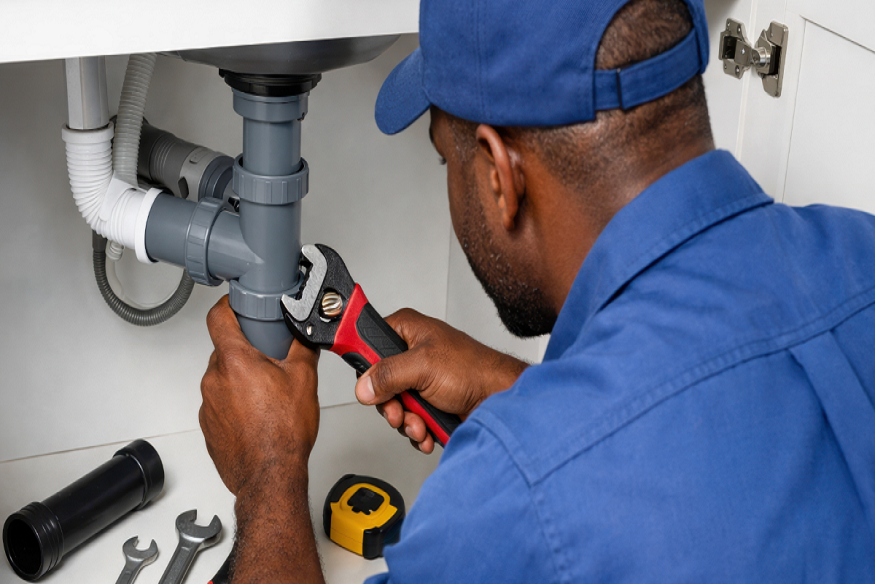
A little preparation goes a long way:
- Know your shut-off valves. Make sure everyone in your household can locate and operate them.
- Schedule regular inspections. A yearly plumbing checkup catches problems before they become emergencies.
- Don’t ignore warning signs. Slow drains, dripping faucets, and unexplained spikes in your water bill deserve attention now, not later.
Conclusion
No homeowner can predict a plumbing emergency, but you can be ready for one. Knowing where your shut-off valves are, acting fast to stop the water, and keeping yourself safe around flooding and electricity can mean the difference between a minor cleanup and a major restoration project. Remember, your job is to contain the problem, not fix it. Once the immediate danger has passed, reach out to a licensed plumber who can identify the root cause and make a lasting repair, so the same emergency doesn’t catch you twice.
Frequently Asked Questions
What should I do first during a plumbing emergency?
Shut off the water supply right away. Stopping the water flow is the single most effective way to limit damage.
What to do if a pipe bursts in my home?
Turn off the main water valve, open faucets to drain the lines, and contain the leak with buckets or towels. A temporary patch with pipe repair tape can help, but always have a professional plumber complete the permanent repair.
When should I call emergency plumbing services in Salt Lake City?
Call immediately for burst pipes, sewage backups, major leaks, no water supply, or any situation involving water near electrical sources. If the problem is causing active damage or poses a safety risk, don’t wait, emergency plumbers are available around the clock for exactly these situations.