How Water Softeners Affect Appliances and Plumbing
3 min read
If you live in an area with hard water, chances are you’ve noticed some of its telltale signs: white mineral stains on faucets, soap that doesn’t lather well, dingy laundry, or reduced water pressure. While these may seem like minor inconveniences, the long-term impact of hard water on your home’s plumbing and appliances can be costly.
Fortunately, a water softener can offer a practical solution. But how exactly does it help, and is it worth the investment? Let’s explore how water softeners affect your plumbing system and appliances.
The Role of a Water Softener
Hard water contains excess calcium and magnesium, which can accumulate in pipes and appliances, causing inefficiency and early wear. A water softener removes these minerals through ion exchange, replacing them with sodium or potassium. The result is cleaner, low-mineral water that protects your plumbing, appliances, and even your skin.
How Soft Water Protects Plumbing and Appliances
Hard water is a common issue in many households, characterised by high levels of calcium and magnesium. While it may not pose a direct health risk, hard water can significantly impact plumbing systems and household appliances over time. Here’s how water softeners affect appliances and plumbing and why they’re often considered a smart long-term investment.
1. Protecting Plumbing Systems
Hard water causes mineral buildup, known as scale, inside pipes and fixtures. This buildup restricts water flow and increases pressure, leading to potential damage and costly repairs. Water softeners prevent scale by replacing calcium and magnesium with sodium or potassium, keeping pipes clear and extending the lifespan of the plumbing system.
2. Improving Water Heater Efficiency
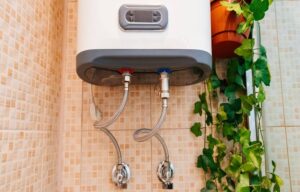
Water heaters are highly affected by hard water, which causes mineral deposits to build up in tanks or coat heating elements. This reduces efficiency and drives up energy costs. Softened water prevents buildup, helping heaters run efficiently, last longer, and require less maintenance.
3. Extending Appliance Lifespan
Hard water is tough on appliances. It clogs up dishwashers, coffee makers, and washing machines with mineral deposits that slow them down and wear them out early. Soft water keeps things running clean and smooth, cuts down on repairs, and can even help you stay within warranty, since hard water damage often isn’t covered.
5. Reducing Maintenance and Repair Costs
The accumulation of mineral deposits from hard water leads to increased maintenance needs, whether it’s descaling pipes, replacing heating elements, or unclogging appliances. By using a water softener, homeowners can significantly reduce these ongoing issues, leading to lower long-term maintenance and repair expenses.
Conclusion
Water softeners play a crucial role in protecting and improving the efficiency of plumbing systems and household appliances. By preventing scale buildup, enhancing energy efficiency, and reducing maintenance needs, softened water helps extend the life of your home’s infrastructure.
While the initial investment in a water softener may seem substantial, the long-term savings and improved performance of appliances and plumbing often outweigh the cost. If you live in a hard water area, installing a water softener could be one of the most practical upgrades for your home.