The Hidden Roof and Structural Issues That Can Turn a Property Purchase Into a Costly Mistake
5 min read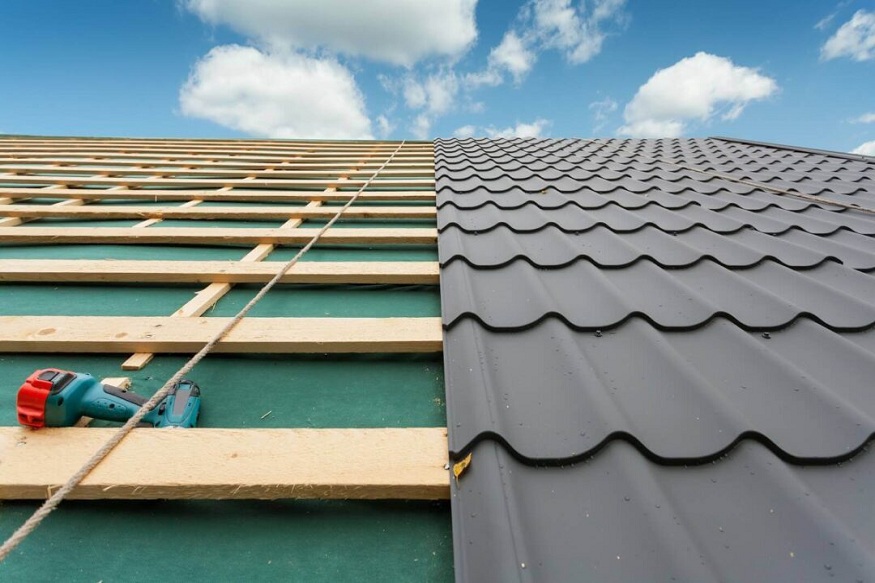
Buying a property often feels like a milestone. After weeks of inspections, negotiations, and paperwork, the moment of settlement brings excitement and relief. The home looks freshly painted, the garden is tidy, and everything appears well-maintained.
Yet many costly problems are not visible during an open home inspection. Within months of moving in, some buyers notice ceiling stains spreading after rain, roof tiles shifting in strong winds, or strange scratching sounds coming from the roof void. What seemed like a solid investment can quickly become a financial burden.
Hidden roofing and structural issues are among the most expensive surprises homeowners face. Understanding these risks before signing a contract can prevent serious financial strain and long-term stress.
Why Roof Condition Is Often Overlooked During Inspections
When buyers attend inspections, they usually focus on kitchens, bathrooms, flooring, and overall presentation. Fresh paint, modern fixtures, and well-styled interiors can create a strong first impression. Unfortunately, cosmetic improvements can also conceal deeper issues.
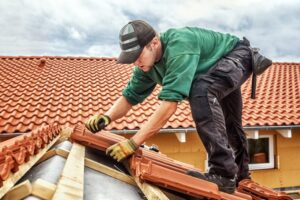
Roofs are rarely examined closely during routine viewings. Buyers cannot easily see cracked tiles, rusted metal sheets, deteriorating flashing, or sagging roof timbers from ground level. Even when visible, minor defects may appear insignificant.
However, small roofing defects often escalate quickly. A single cracked tile can allow water to enter the roof cavity. Damaged flashing around chimneys or skylights can cause slow leaks that go unnoticed for months. Over time, moisture weakens timber framing, damages insulation, and stains ceilings.
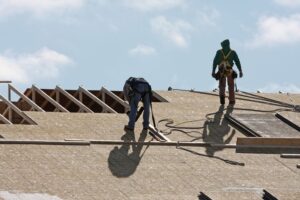
In some cases, buyers discover that the roof has reached the end of its lifespan shortly after settlement. The need for urgent reroofing can result in significant unplanned expenses. What initially seemed like a minor maintenance issue can quickly turn into a full roof replacement project.
The Importance of Thorough Due Diligence Before Signing Contracts
Property transactions move quickly, particularly in competitive markets. Buyers often feel pressure to act fast to secure a home. However, skipping proper inspections to save time or money can lead to far greater costs later.
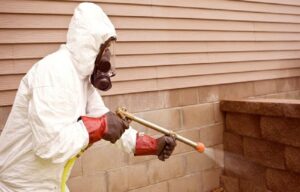
A professional Pre-Purchase Building Pest Inspection provides a detailed assessment of structural integrity and potential pest concerns. Unlike casual inspections, these reports examine areas not easily accessible to buyers, including roof voids, subfloors, and structural components.
Inspectors look for signs of:
- Structural movement or sagging roof framing
- Moisture damage and water ingress
- Timber decay and rot
- Termite activity or previous treatment evidence
- Ventilation issues within the roof cavities
These problems are rarely obvious during open inspections. An experienced inspector can identify early warning signs that may otherwise remain hidden until costly repairs are required.
Due diligence not only protects financial investment but also provides leverage during negotiations. If significant defects are identified before exchange of contracts, buyers can request repairs, negotiate the purchase price, or reconsider the transaction entirely.
How Roof Damage and Pest Problems Are Often Connected
Roofing issues and pest activity are frequently linked. When roof tiles crack or metal sheets lift, they create entry points for rodents, birds, and insects. Compromised flashing and gaps around eaves also allow pests to access roof spaces.
Once inside, pests can cause extensive damage. Rodents chew electrical wiring, increasing fire risks. They contaminate insulation and leave droppings that create unpleasant odours and hygiene concerns. Termites, in particular, can silently destroy structural timber within roof framing.
Moisture intrusion further worsens the situation. Damp timber becomes more attractive to termites and other pests. Over time, water damage weakens trusses and battens, compromising the structural stability of the roof.
The combined effect of water damage and pest infestation can be severe. Repairing insulation, replacing damaged timber, and addressing electrical hazards significantly increase overall costs. What began as a small roofing defect may escalate into widespread structural repairs.
Financial and Legal Risks of Skipping Proper Assessment
Many buyers underestimate the financial impact of hidden structural issues. Roofing repairs, structural reinforcement, and pest remediation can cost tens of thousands of dollars. These expenses are often required urgently to prevent further damage.
Unexpected repair bills place pressure on household finances, especially for buyers who have already stretched their budget to secure the property. In some cases, additional borrowing may be necessary to fund repairs.
There are also legal and insurance implications. Insurance policies may not cover pre-existing defects or gradual deterioration. If water damage or structural issues are considered longstanding problems, claims can be rejected.
Once contracts are exchanged and settlement is complete, buyers have limited recourse. It becomes difficult to recover costs unless clear evidence of non-disclosure or misrepresentation exists. This reality highlights the importance of thorough assessment before committing to the purchase.
Warning Signs Buyers Should Look for During Property Viewings
While professional inspections are essential, buyers can remain alert to visible warning signs during inspections. Paying attention to subtle indicators can help identify potential risks early.
Common warning signs include:
- Ceiling discolouration or water stains
- Bubbling paint or peeling plaster near ceilings
- Uneven or sagging rooflines
- Cracked ridge caps or loose tiles
- Rusted metal roofing sheets
- Musty smells inside the property
- Visible patchwork repairs on ceilings
- Droppings or nesting materials in accessible roof spaces
These signs do not always indicate major structural damage, but they should prompt further investigation. If anything appears unusual, arranging a professional inspection before proceeding is a prudent step.
Conclusion
A property may appear perfect at first glance, but hidden roofing and structural issues can quickly transform an exciting purchase into a costly mistake. Ageing roofs, moisture damage, and pest infestations often remain concealed above ceiling lines and within structural elements.
Careful assessment before signing contracts is not optional; it is essential. Professional inspections identify risks that are invisible during open homes and provide valuable information for negotiation or decision-making.
By prioritising structural integrity and roofing condition, buyers protect both their financial investment and their peace of mind. Taking the time to investigate thoroughly before settlement can prevent years of unexpected repairs and avoidable stress.
FAQs
1. Why is roof inspection important before buying a home?
Roof defects can lead to water damage, structural weakening, and expensive repairs. Identifying issues early prevents unexpected post-settlement costs.
2. Can fresh paint hide roofing problems?
Yes. Fresh paint may conceal ceiling stains or minor cracking caused by roof leaks, making professional inspection essential.
3. How are pest problems linked to roof damage?
Cracked tiles and damaged flashing create entry points for pests, which can damage insulation, wiring, and structural timber.
4. What happens if structural issues are discovered after settlement?
Buyers are usually responsible for repairs after settlement, and insurance may not cover pre-existing defects.
5. Is a professional inspection worth the cost?
Yes. The cost of inspection is minor compared to potential repair expenses from undetected roofing and structural damage.